



How to Manage Anxiety and Stress Better with Practical Tools
Anxiety and stress affect nearly everyone at some point in life. Although these feelings are natural, they can become overwhelming if left unmanaged. The good news is that you can take active steps to calm your mind and body. By combining breathwork, mindfulness, and simple daily practices, you learn how to manage anxiety and stress better and build resilience for the future.
Why Managing Anxiety and Stress Matters
Stress and anxiety impact both your mental and physical health. For example, constant worry often disrupts sleep, reduces focus, and weakens your immune system. In addition, chronic stress may lead to burnout or strained relationships. Therefore, managing anxiety and stress effectively becomes essential if you want to maintain balance, energy, and emotional well-being.
Using Breathwork to Calm the Body
Breathwork provides one of the fastest ways to reduce stress. When you control your breathing, you send signals to the nervous system that it is safe to relax. As a result, your heart rate slows, tension decreases, and your mind becomes clearer.
Try the Box Breathing Exercise
-
Inhale through your nose for four seconds.
-
Hold your breath for four seconds.
-
Exhale slowly through your mouth for four seconds.
-
Hold again for four seconds.
Repeat this cycle at least four times. Because it is simple and effective, you can practice box breathing anywhere—before a meeting, while waiting in traffic, or right before sleep.
Try the 4-7-8 Technique
-
Inhale deeply for four counts.
-
Hold for seven counts.
-
Exhale slowly for eight counts.
This method quickly relaxes your body and works especially well during moments of high anxiety.
Practicing Mindfulness for Mental Clarity
Mindfulness teaches you to stay in the present moment instead of worrying about the future or replaying the past. Consequently, you reduce anxious thoughts and gain a sense of calm.
Simple Mindfulness Exercise
-
Sit comfortably and close your eyes.
-
Focus on your breath as it enters and leaves your body.
-
When your mind wanders, gently return attention to your breathing.
Even five minutes of daily mindfulness practice can help you manage anxiety and stress better over time.
Body Scan Meditation
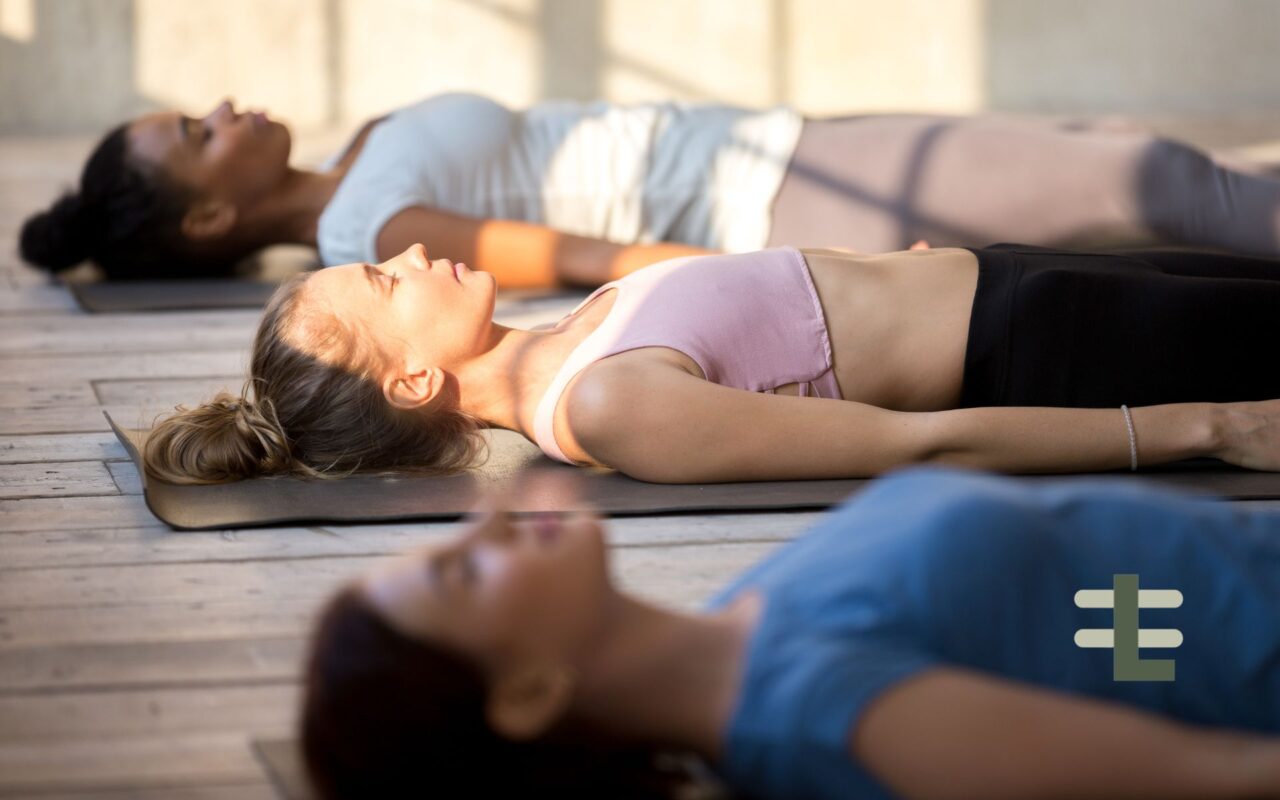
Lie down, close your eyes, and bring awareness to each part of your body from head to toe. Notice areas of tension and breathe into them. This exercise releases physical stress while also calming the mind.
Additional Tools to Support Stress Management
Journaling
Writing down your thoughts helps you process emotions and release worry. Furthermore, journaling allows you to identify triggers and track progress in managing stress.
Movement and Exercise
Physical activity reduces cortisol, the stress hormone and boosts endorphins. Even a short walk outside can shift your mood and restore energy.
Healthy Boundaries
Learning to say “no” when necessary protects your mental health. As a result, you prevent overwhelm and create space for rest and recovery.
Gratitude Practice
Each night, write down three things you feel grateful for. This practice shifts your focus from stress to appreciation and fosters a more positive mindset.
Putting It All Together
Managing anxiety and stress requires consistency, yet small steps create powerful results. Start by practicing breathwork whenever you feel tension rise. Then, add mindfulness exercises to your daily routine. Additionally, support yourself with journaling, movement, and gratitude.
Ultimately, when you combine these practices, you take control of your well-being. Instead of feeling consumed by stress, you respond with calm and confidence. Therefore, begin today with one simple exercise. Over time, you will notice that learning how to manage anxiety and stress better not only improves your mental health but also enriches every part of your life.